


Médoc
One of the World’s Most Famous Wine Regions
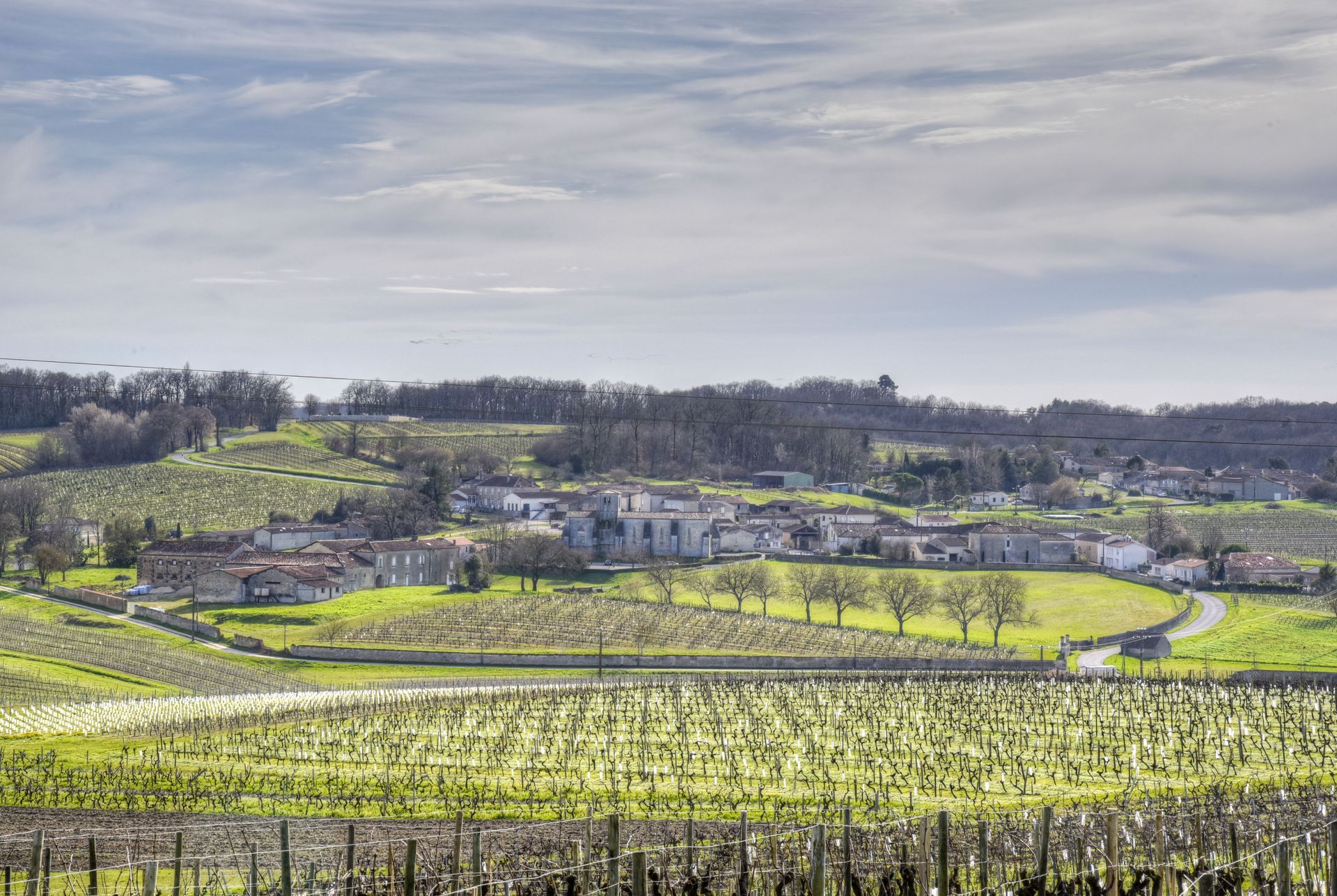
North of Bordeaux, between the Gironde estuary and the Atlantic Ocean, lies the Médoc — a narrow strip of land that ranks among the most celebrated wine-growing regions in the world. Here, on the gravel soils along the left bank of the Gironde, wines are made that have shaped the reputation of Bordeaux for centuries. Endless vineyards stretching to the horizon, magnificent châteaux, and centuries of winemaking tradition make the Médoc essential for anyone who wants not just to drink wine, but to understand it.
The Médoc in the World of Wine
The Médoc is regarded worldwide as one of the birthplaces of classic red wine. The region is defined by Cabernet Sauvignon-led blends, typically rounded out with Merlot, Cabernet Franc and Petit Verdot — a combination that gives Médoc wines their characteristic structure, tannic backbone and remarkable ageing potential. The region’s distinctive gravel soils, known as “graves,” retain heat and provide excellent drainage, widely considered one of the keys to the quality of the vines grown here. It’s little wonder that wine lovers around the world immediately associate the name Médoc with world-class Bordeaux red wine.
The 1855 Classification: A Hierarchy Steeped in History
Few wine classification systems are as well known as the “Classification officielle des vins de Bordeaux de 1855.” Drawn up at the request of Napoleon III for the Paris World’s Fair, it ranks the Médoc’s most important châteaux (along with one from Graves) into five tiers, from “Premier Cru” down to “Cinquième Cru.” This ranking still stands today and continues to shape the prestige and prices of the classified wines. Among the four Premiers Crus — the highest tier of the classification — are some of the most famous wine names in the world.
Famous Appellations and Châteaux
Within the Médoc, several appellations stand out, each with its own character: Margaux, known for its elegance and finesse; Saint-Julien, prized for balanced, harmonious wines; Pauillac, home to some of the most prestigious wine estates anywhere; and Saint-Estèphe, known for bolder, more tannic wines. Further south lie Listrac-Médoc and Moulis-en-Médoc, while the Médoc and Haut-Médoc appellations cover the region as a whole. Château Margaux, Château Latour, Château Lafite Rothschild and Château Mouton Rothschild are among the region’s most celebrated names — their wines rank among the most sought-after and longest-lived in the world.
Wine Tasting: Experiencing the Médoc with All Your Senses
Many Médoc châteaux welcome visitors — usually by appointment — offering tours of the vineyards and cellars along with tastings of their own wines. For newcomers and connoisseurs alike, a tasting is the best way to experience the differences between appellations first-hand: the elegance of a Margaux next to the power of a Saint-Estèphe, the finesse of a Pauillac beside the approachability of a Haut-Médoc. Many estates also offer themed tastings, comparing several vintages of the same wine side by side.
The Route des Châteaux and Cycling Through the Vineyards
The famous “Route des Châteaux,” the D2, winds north from Bordeaux through the heart of the Médoc, linking many of its best-known estates — one of the most scenic drives in France for anyone exploring the region by car. For those who prefer to be more active, the Médoc is also wonderful to explore by bike: flat terrain, quiet back roads, and views over endless vine rows make cycling through the vineyards one of the region’s finest experiences.